
PVC Pool Membrane Tips & Info
Choosing Between Traditional Liners & PVC Membrane Systems
Most contractors think liner selection is just about upfront cost. Pick the cheaper option, move on to the next job. But the reality is messier than that — and if you're not thinking long-term, you're setting yourself up for callbacks. Liners aren't just about holding water. They're about how long they hold it, how they handle abuse, and whether they'll still look decent five years down the road.
So here's what matters. If you're installing something that needs to last, you'd better understand what you're working with. Every material has a breaking point. Every seam is a potential leak. And every decision should be grounded in how the structure will be used — not just how it looks on the estimate.
Traditional Liners Still Have Their Place
EPDM, butyl rubber, polyethylene — these materials have been around forever for a reason. They're flexible, they're forgiving, and they don't require a PhD to install. You roll them out, trim to fit, seal the seams, and call it a day. For smaller ponds, residential pools, or DIY projects, traditional liners get the job done without breaking the bank.
But flexibility comes with trade-offs. These liners can handle some substrate movement, sure. They resist UV damage and weathering reasonably well. But they're also more vulnerable to punctures, chemical degradation, and seam failure over time. If you're working with sharp edges, heavy foot traffic, or aggressive water chemistry, traditional liners start showing their age faster than you'd like.
PVC Membranes Are Built Different
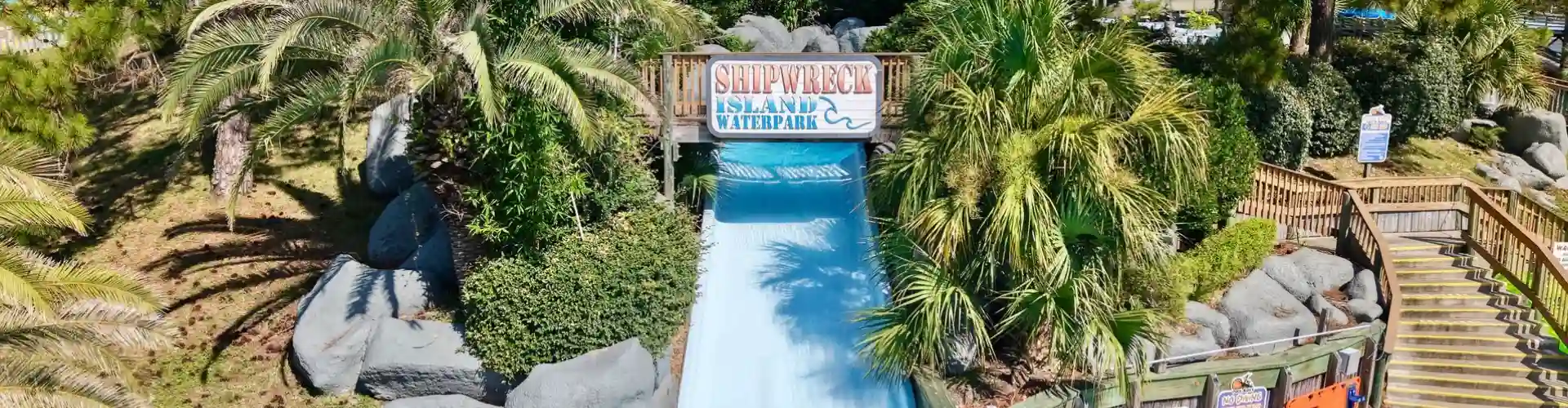
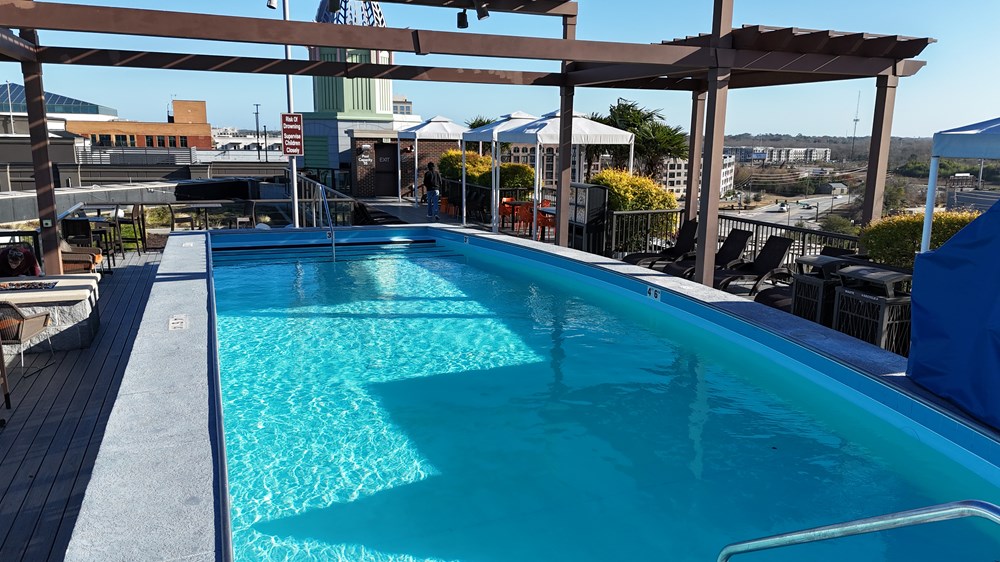
PVC membrane systems aren't just thicker versions of traditional liners. They're engineered products — reinforced, custom-fitted, and welded on-site to create a seamless barrier. You see them in commercial pools, water parks, and high-end residential builds because they perform under pressure. Literally.
The welding process is what sets PVC apart. Instead of relying on adhesives that can fail, seams are heat-welded into a single continuous sheet. That means fewer weak points and better leak protection. Plus, PVC membranes come in colors and patterns that traditional liners can't touch. If aesthetics matter — and they usually do — PVC gives you options without sacrificing durability.
Longevity Isn't the Same as Toughness
Traditional liners can last years if you baby them. But one sharp rock, one aggressive cleaning session, one chemical imbalance, and you're patching holes or replacing sections. Repairs are possible, but they're never as clean as the original install. And if the damage is widespread, you're looking at a full replacement.
PVC membranes are built to take a beating. The reinforced construction resists tears and punctures better than any traditional liner. The smooth surface doesn't just look good — it actively fights algae growth and makes cleaning easier. When damage does happen, welding a patch is straightforward and holds up better than adhesive fixes. We've seen PVC installations outlast traditional liners by a decade or more in the same conditions.
Installation Separates the Pros from the Homeowners
Traditional liners are accessible. You don't need specialized equipment or certification to lay one down. Prep the surface, unfold the liner, secure the edges, and you're done. For simple shapes and small projects, it's a weekend job. But complex pools with steps, benches, or irregular contours? That's where things get messy. Achieving a tight fit without wrinkles or gaps takes experience.
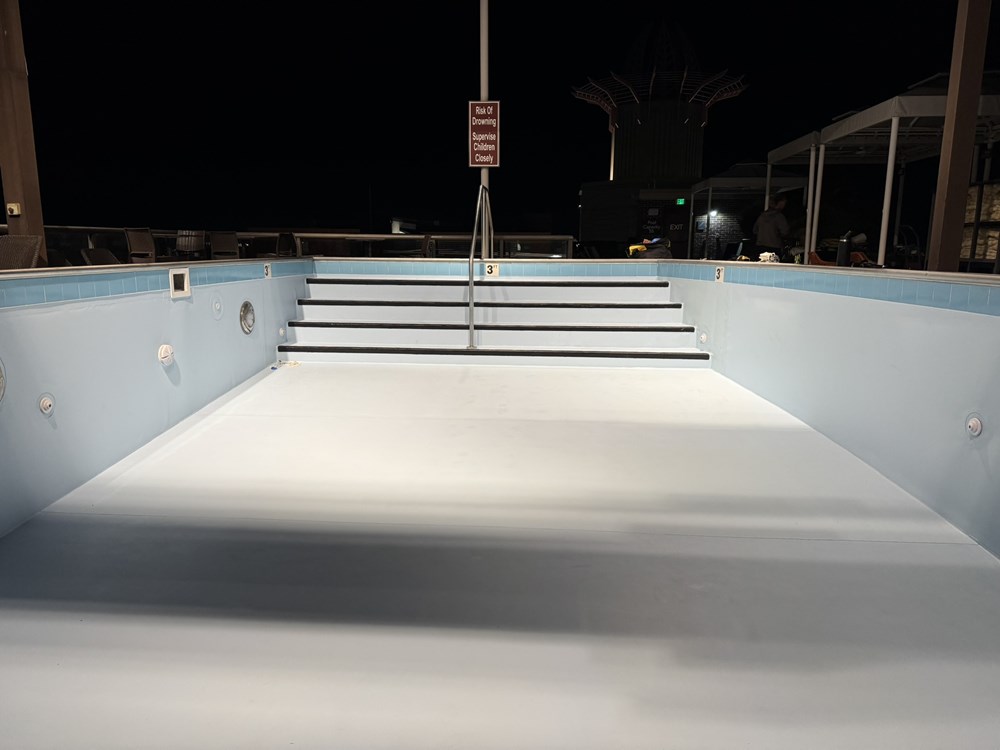
PVC membrane systems require professional installation. Period. The welding equipment isn't something you rent from the hardware store, and the technique takes training. But that investment pays off. Installers can custom-fit membranes on-site, accommodating any shape or feature without compromise. The process is faster for large or complicated builds, and the finished product is cleaner. You're paying for expertise, but you're also getting a result that won't need redoing in five years.
Upfront Cost Versus Total Cost
Traditional liners win on sticker price. No question. If your budget is tight and the project is straightforward, they're the obvious choice. But cheap upfront doesn't always mean cheap overall. Factor in repairs, replacements, and the labor to fix problems down the line, and the math starts shifting.
PVC membranes cost more at the start. The material is pricier, and professional installation adds to the bill. But the durability and reduced maintenance mean fewer headaches and lower costs over the life of the pool or pond. For commercial projects or high-traffic environments, the long-term savings are real. Less downtime, fewer service calls, and a product that still looks good years later.
What Your Project Actually Needs
Budget matters, but it's not the only factor. Think about how the structure will be used. A backyard koi pond that sees occasional maintenance? Traditional liner might be fine. A community pool with daily use and chemical treatments? PVC is the smarter play. Shape complexity matters too. Simple rectangles are traditional liner territory. Freeform designs with built-in features? PVC handles that without the headaches.
Don't forget about aesthetics. If the liner is visible and appearance matters, PVC gives you options that traditional materials can't match. And if you're in a climate with extreme temperature swings or heavy UV exposure, PVC's engineered resilience makes a difference.
Key Differences That Actually Matter
- Traditional liners are cheaper upfront but more prone to damage and degradation
- PVC membranes cost more initially but deliver superior longevity and leak protection
- Traditional liners can be DIY-installed for simple projects
- PVC systems require professional installation with specialized welding equipment
- PVC offers more design flexibility with colors, patterns, and custom fitting
When Traditional Liners Make Sense
- Small residential pools or decorative ponds with minimal traffic
- Projects with tight budgets and simple rectangular shapes
- DIY installations where professional labor isn't in the budget
- Temporary or seasonal water features that won't see year-round use
- Situations where aesthetics are secondary to basic function
When PVC Membranes Are Worth the Investment
- Commercial pools, water parks, or high-traffic residential installations
- Complex shapes with steps, benches, or integrated features
- Projects where long-term durability and low maintenance are priorities
- Environments with aggressive water chemistry or heavy UV exposure
- Installations where appearance and design flexibility matter
Common Mistakes We See Contractors Make
- Choosing traditional liners for complex shapes just to save money upfront
- Skipping professional installation on PVC systems to cut costs
- Ignoring substrate preparation and expecting the liner to compensate
- Underestimating chemical compatibility and choosing the wrong material
- Failing to account for long-term maintenance costs in the initial decision
What to Ask Before You Commit
- How will the structure be used, and how often?
- What's the expected lifespan, and what's the replacement cost?
- Does the shape require custom fitting or specialized installation?
- What maintenance will be required, and who's handling it?
- Are there aesthetic requirements that rule out certain materials?
The Right Material for the Right Job
Picking a liner isn't about finding the best product. It's about finding the best fit for your project. Traditional liners work when simplicity and budget are the priorities. PVC membranes shine when durability, performance, and aesthetics can't be compromised. Neither is wrong — but one is always better suited to the job at hand.
Understanding why a liner is the right choice for your specific application helps clarify which material will serve you best. Talk to an installer who knows both systems through new installations and retrofit installations. Get a site assessment. Run the numbers on total cost, not just upfront price. Because the cheapest option today can turn into the most expensive mistake tomorrow. And the best liner is the one that's still doing its job a decade from now without constant babysitting.
Let’s Make Your Next Project Last
We know how important it is to get your liner choice right the first time—no one wants to deal with leaks or premature replacements. If you’re ready to talk through your options or want a professional opinion on what will work best for your pool or pond, let’s connect. Give us a call at 843-480-3577 or get a quote and we’ll help you build something that stands the test of time.
‹ Back
Recent Posts
-
Why PVC Pool Membranes Work Well for ICF Pools
October 13, 2026
-
How Well Do PVC Pool Membranes Hold Up to Daily Use?
September 29, 2026
-
When Should You Repair or Replace a PVC Pool Membrane?
September 15, 2026
-
Is Your Residential Pool Losing Water Around the Edges?
September 1, 2026
-
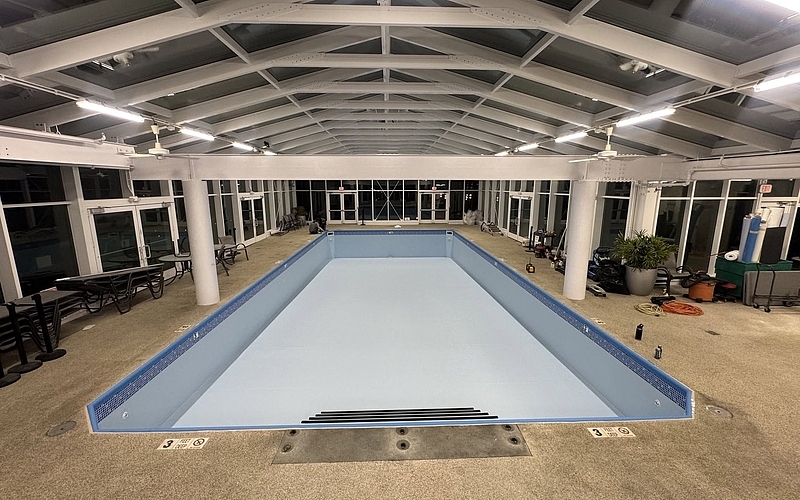
How Indoor Pools Benefit from PVC Membrane Installations
August 18, 2026

.png)