
PVC Pool Membrane Tips & Info
How Long PVC Pool Membrane Liners Last in Commercial Pools
Most facility managers think pool liners are just about keeping water in. Install it, forget it, replace it when it leaks. But the reality is messier than that — and if you're not paying attention, you're setting yourself up for expensive surprises. PVC membrane liners don't just sit there. They take a beating from chemicals, UV exposure, and thousands of swimmers every season. And when they fail, they don't give you much warning.
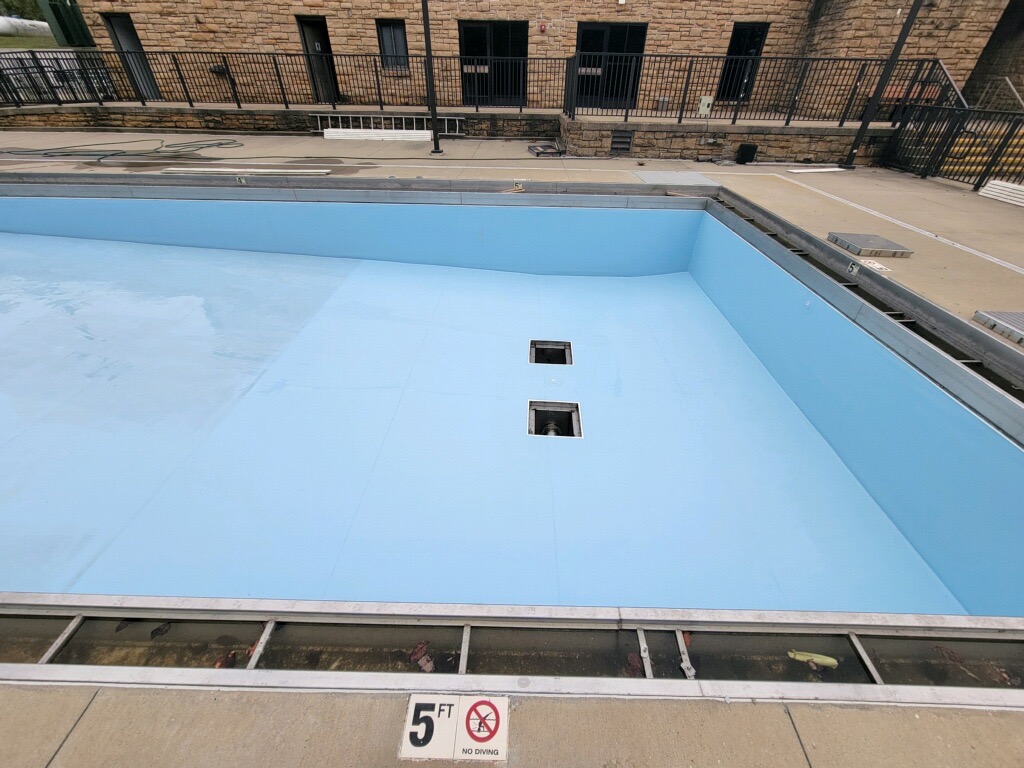
So here's what matters. If you're running a commercial pool, that liner is doing more work than you think. Every chemical imbalance leaves a mark. Every shortcut during installation shows up later. And every year you ignore maintenance is a year closer to a full replacement — on your busiest week of the season.
The Typical Range You Can Expect
PVC pool membrane liners in commercial settings usually hold up for ten to fifteen years. That's the average. Some make it to twenty if the stars align — quality material, flawless install, obsessive maintenance. Others start showing cracks at year eight because someone skimped on thickness or let the chlorine levels run wild for too long.
The number isn't magic. It's earned. And it's directly tied to how the liner was treated from day one. You can't install cheap material, blast it with chemicals, and expect it to last like the premium stuff. The IRS might not care about your pool liner, but your budget will.
What Kills Liners Faster Than They Should Go
Liners don't just wear out on their own. They get destroyed by neglect, bad chemistry, and corners cut during installation. We've seen facilities replace liners at year six because nobody bothered to check pH levels. We've seen seams split because the installer rushed the heat welding. And we've seen UV damage turn a perfectly good liner into a brittle mess because the pool sat uncovered all winter.
Here's what actually shortens the lifespan:
- Thin or low-grade PVC that wasn't built for commercial traffic
- Sloppy installation with weak seams or improper fitting
- High chlorine levels or unbalanced water chemistry eating away at the material
- Heavy foot traffic in shallow zones without reinforced protection
- Constant UV exposure without covers or shade structures
- Ignoring small tears or punctures until they become full-blown leaks
When the Liner Starts Telling You It's Done
Liners don't fail quietly. They give you signs — you just have to be looking. Cracks show up first in high-stress areas. Fading happens where the sun hits hardest. Wrinkles and bubbles mean the adhesive or fit is compromised. And if you're constantly topping off water or fighting to keep chemistry stable, the liner's probably leaking somewhere you can't see.
Catch these early, and you might buy yourself another year or two. Miss them, and you're draining the pool mid-season for an emergency replacement. Here's what to watch for:
- Visible tears, punctures, or cracks in the membrane
- Discoloration or fading, especially along the waterline
- Bubbling or wrinkling that wasn't there before
- Persistent water loss even after patching obvious leaks
- Difficulty maintaining balanced water chemistry no matter what you add
Material Quality Isn't Negotiable
Not all PVC is created equal. Some liners are reinforced with polyester mesh. Some have UV inhibitors baked into the material. Some are thick enough to handle commercial abuse. Others are designed for backyard pools and won't survive a single summer season in a facility with real traffic.
If you're choosing a liner based on price alone, you're choosing wrong. The cheapest option will cost you more in the long run — either in early replacement or constant patching. Pay for reinforced, UV-resistant, chemically stable PVC from a manufacturer that backs their product. It's not sexy, but it's the difference between twelve years and eight.
Installation Errors Haunt You for Years
Even the best liner will fail if it's installed poorly. Seams that aren't heat-welded correctly will split. Liners stretched too tight will tear. Wrinkles left in place will trap debris and create weak points. And if the substrate wasn't prepped right, the liner won't adhere properly — leading to shifting, bubbling, and premature wear.
This is where most commercial pools go wrong. They hire the lowest bidder or try to DIY a job that requires precision. Then they spend the next decade dealing with leaks, patches, and complaints. If you're installing a new liner, here's what you need:
- An experienced installer with a track record in commercial pools
- Proper substrate preparation, including smoothing and cleaning
- Heat-welded seams, not glued or taped joints
- Correct tensioning to avoid wrinkles without overstretching
- Post-installation inspection to catch any issues before the pool fills
Maintenance Buys You Years
You can't install a liner and walk away. Commercial pools demand regular attention — and the liner is no exception. Check it monthly for damage. Keep the water chemistry dialed in. Clean debris before it stains or scratches the surface. And when you spot a small tear, patch it immediately. Waiting turns a five-minute fix into a five-figure replacement.
We've seen facilities stretch liners to eighteen years with nothing more than consistent care. We've also seen liners fail at year seven because nobody bothered to test pH or cover the pool in the off-season. The difference isn't luck. It's discipline.
Stretching the Clock Without Cutting Corners
Want your liner to hit the fifteen-year mark? Start with quality material and professional installation. Then commit to a maintenance schedule that includes weekly water testing, monthly visual inspections, and seasonal deep cleans. Use pool covers when the facility is closed to block UV damage. Address repairs the day you find them. And keep a log of everything — chemical levels, repairs, cleaning dates — so you can spot patterns before they become problems.
Here's the routine that works:
- Test and balance water chemistry at least twice a week
- Inspect the liner monthly for cracks, tears, or discoloration
- Clean the surface regularly to prevent staining and buildup
- Cover the pool during off-hours or off-season to reduce UV exposure
- Patch small damage immediately before it spreads
- Document all maintenance and repairs for future reference
Replacement Timing Isn't Always Obvious
Sometimes the liner looks fine but performs terribly. Water loss creeps up. Chemistry becomes impossible to stabilize. The surface feels rough or brittle. These are signs the material has degraded even if it hasn't torn yet. Don't wait for a catastrophic failure. If the liner is past twelve years and showing any of the warning signs, start planning the replacement. Waiting until it fails mid-season will cost you more in lost revenue than a scheduled replacement ever would.
Liners Are Only As Good As the System Around Them
A PVC membrane doesn't exist in a vacuum. It's part of a larger system — filtration, circulation, chemical dosing, drainage. If any of those systems are out of whack, the liner pays the price. Overchlorination eats through the material. Poor circulation creates dead zones where algae and bacteria thrive. Bad drainage leads to hydrostatic pressure that can lift or tear the liner from below.
Fix the system, and the liner lasts. Ignore the system, and you'll replace liners every eight years wondering why. It's not the liner's fault. It's everything else.
The Real Cost of Waiting Too Long
Replacing a liner isn't cheap, but it's predictable. Emergency replacements during peak season? That's where the real damage happens. Lost revenue from closing the pool. Rush fees for installers. Angry members or guests. Damage to the pool structure if the leak went unnoticed too long. All of it avoidable if you'd planned ahead.
We've worked with facilities that treat retrofit installations like an oil change — scheduled, budgeted, no drama. And we've worked with facilities that treat it like a crisis every single time. Guess which ones have better financials and fewer headaches.
If you're managing a commercial pool and need expert guidance on liner selection, installation, or repairs, contact us today. Our team specializes in commercial pool solutions that extend liner life and reduce long-term costs. Get a quote and see how proper planning and professional service can save you thousands.
Let's Make Your Pool Liner Last
We know how much is riding on your pool running smoothly season after season. If you're ready to get more years out of your liner and avoid costly surprises, let's talk about your options. Call us at 843-480-3577 or get a quote today and see how we can help you keep your facility open and your budget in check.
‹ Back
Recent Posts
-
Why PVC Pool Membranes Work Well for ICF Pools
October 13, 2026
-
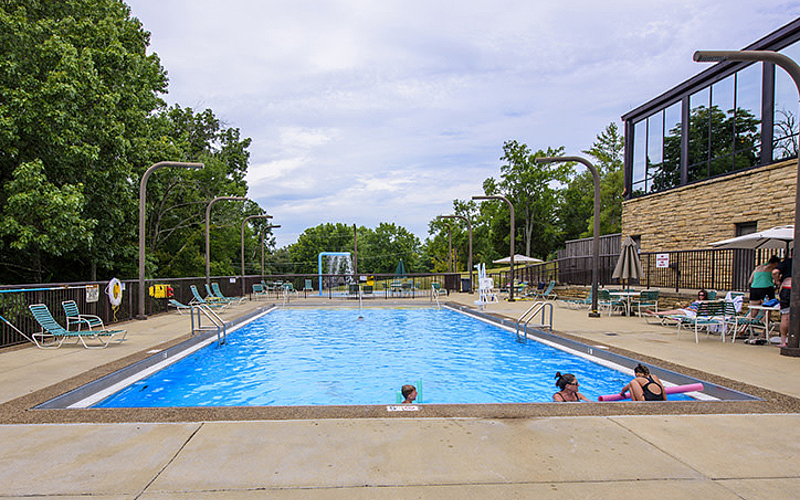
How Well Do PVC Pool Membranes Hold Up to Daily Use?
September 29, 2026
-
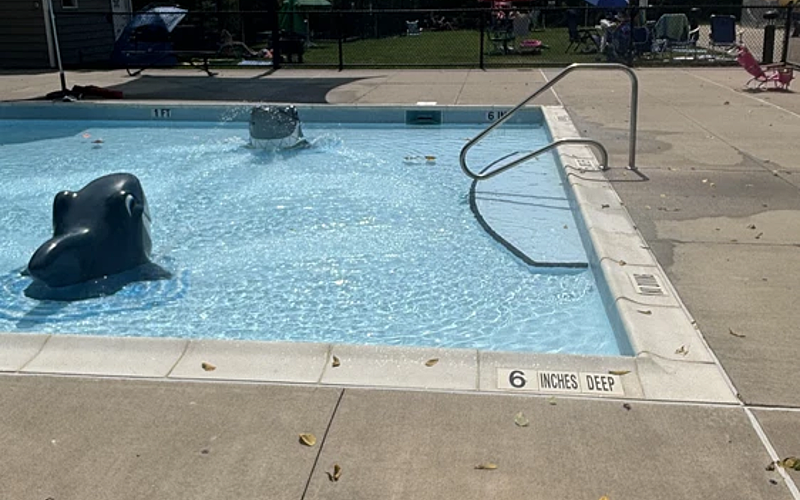
When Should You Repair or Replace a PVC Pool Membrane?
September 15, 2026
-
Is Your Residential Pool Losing Water Around the Edges?
September 1, 2026
-
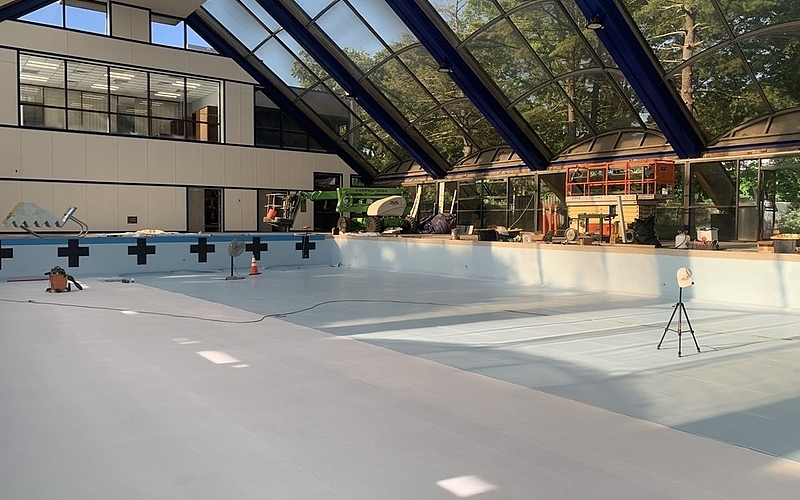
How Indoor Pools Benefit from PVC Membrane Installations
August 18, 2026

.png)