

PVC Pool Membrane Tips & Info
Retrofitting Older Pools with PVC Membrane Liners
Aging pools don't announce their decline with fanfare. They leak quietly. Crack slowly. Fade over seasons until the surface looks more like a patchwork than a place you'd want to swim. Most property owners assume renovation means jackhammers, weeks of downtime, and a bill that makes you question whether the pool's even worth saving. But PVC membrane liners flip that script entirely. They're fast, durable, and built to handle the kind of wear that sends traditional finishes into early retirement.
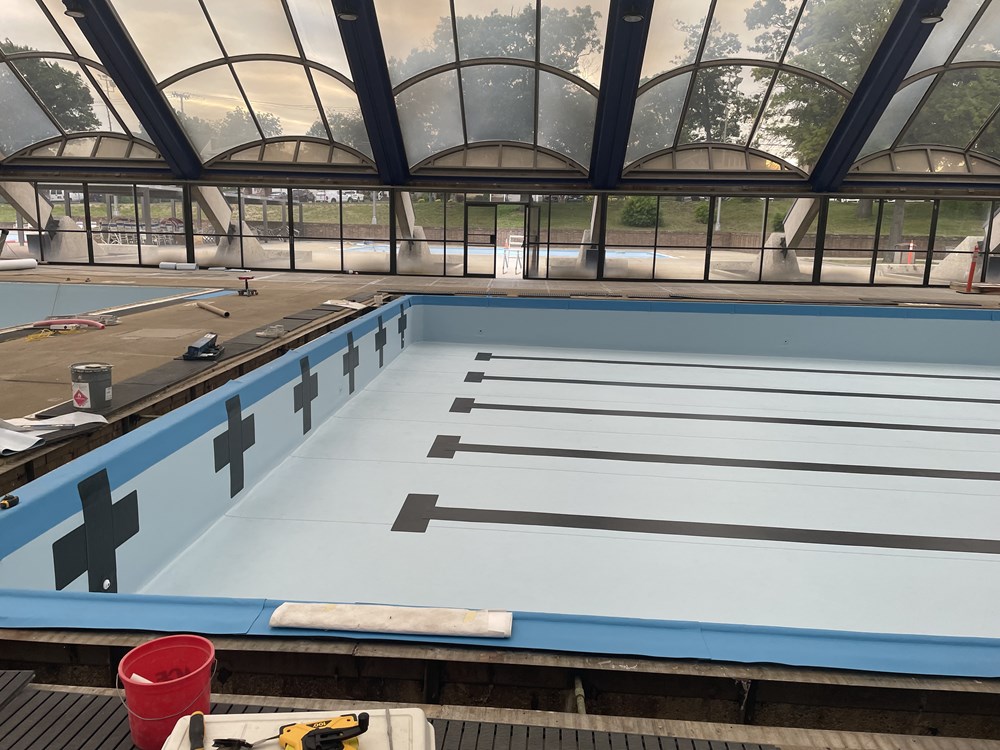
We're not talking about slapping a Band-Aid over structural problems. This is a full-scale waterproofing overhaul that addresses leaks, outdated aesthetics, and maintenance headaches all at once. If your pool's showing its age, a membrane retrofit might be the smartest move you haven't considered yet.
What Makes PVC Membranes Different
PVC liners aren't your standard pool finish. They're engineered sheets designed to create a seamless, watertight barrier across every inch of your pool's interior. Unlike plaster that cracks or paint that peels, these membranes flex with the structure beneath them. They're manufactured in varying thicknesses and come in enough colors and patterns to match just about any vision you've got for the space.
The real advantage? They don't just cover problems—they solve them. A properly installed membrane stops water migration cold, even when the underlying concrete has seen better days. That's the kind of performance traditional methods can't touch.
Why This Retrofit Makes Sense
Older pools come with baggage. Leaks that drain your water bill. Surfaces that stain no matter how much you scrub. Finishes that look tired no matter how much chlorine you dump in. PVC membranes cut through all of it with a solution that's both practical and transformative.
Here's what you're actually getting when you retrofit:
- A waterproof seal that holds up where plaster and tile fail
- Installation timelines measured in days, not weeks
- Lower long-term maintenance because the surface resists algae and staining
- A visual upgrade that makes the pool look brand new
- Cost savings compared to tearing out and rebuilding
How the Installation Actually Works
Retrofitting isn't a guessing game. It's a methodical process that starts with understanding what's wrong and ends with a pool that's ready to fill. First, the existing structure gets inspected for damage—cracks, leaks, failing fittings. Then the pool's drained and prepped. Any rough edges or loose material gets smoothed out so the liner has a clean foundation.
Next comes the protective underlayer, usually a felt or geotextile that cushions the membrane and prevents abrasion. The PVC itself is custom-cut and heat-welded on-site to fit your pool's exact shape. Seams are fused together to eliminate weak points. Fittings like drains and lights get sealed with specialized flanges. Once everything's locked in, the pool's refilled and tested for fit and watertightness.
What You Need to Know Before You Commit
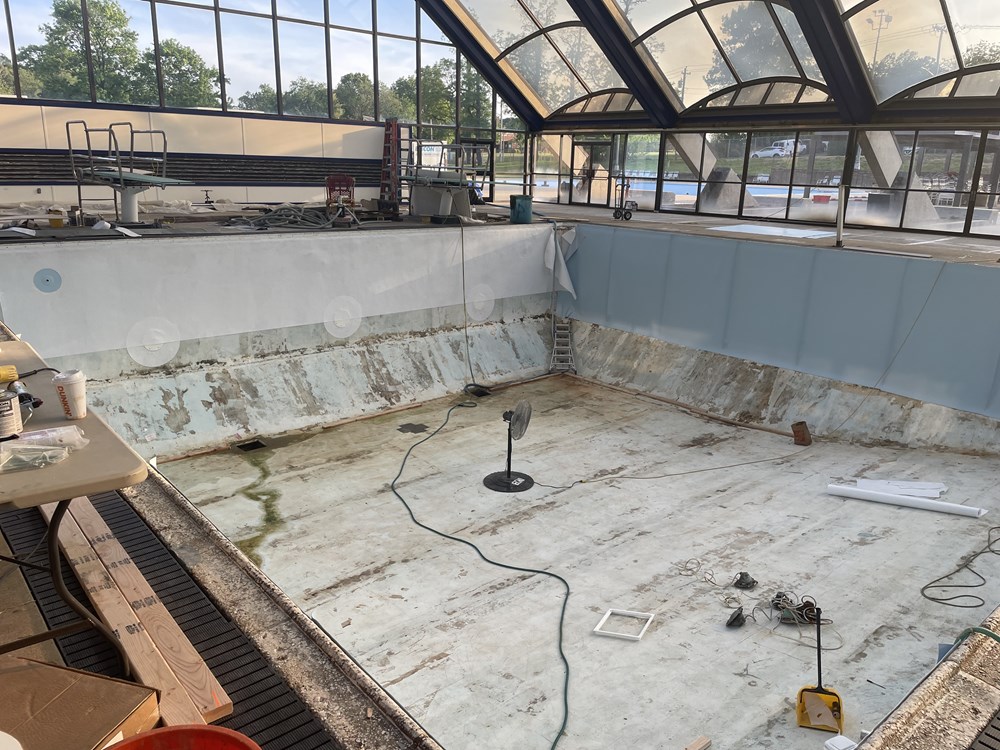
PVC membranes solve a lot of problems, but they're not magic. If your pool has serious structural issues—foundation shifts, major cracking, failing walls—those need attention first. A liner can bridge minor imperfections, but it won't hold together a pool that's falling apart underneath.
You'll also want to make sure you're working with professionals who know what they're doing. Installation quality determines how long the liner lasts and how well it performs. A sloppy job means premature failure, leaks, and wasted money. Here's what matters most:
- Hire contractors with proven experience in PVC liner installations
- Confirm the liner thickness and warranty match your pool's use level
- Address any structural repairs before the liner goes in
- Verify compatibility with your pool type—concrete, steel, or fiberglass
- Understand the expected lifespan, typically 10 to 15 years with proper care
Maintenance That Actually Stays Simple
One of the biggest selling points of PVC membranes is how little effort they demand after installation. The smooth, non-porous surface doesn't give algae much to cling to, and stains wipe away without the scrubbing marathon you'd face with plaster. Chemical balance still matters, but you're not fighting the finish itself.
Routine care looks like this:
- Regular brushing to prevent debris buildup
- Balanced water chemistry to protect the membrane
- Prompt attention to any sharp objects or damage
- Periodic inspections of seams and fittings
When Replacement Beats Repair
Not every aging pool needs a membrane. If your finish is just faded but structurally sound, a simple resurface might do the trick. But if you're dealing with chronic leaks, cracking that won't quit, or a surface that's beyond saving, a PVC retrofit is the move that makes sense. It's faster than demolition, cheaper than rebuilding, and delivers a result that holds up under real-world use.
We've seen property owners put off pool renovations for years because the traditional options felt too invasive or expensive. Membranes change that calculation. They're the solution that gets your pool back in service without the drama.
The Numbers That Matter
Cost is always part of the equation, and PVC retrofits tend to land in a sweet spot. You're spending more than a basic replaster but far less than a full rebuild. Installation speed means less downtime, which matters if the pool generates revenue or serves a community. And the lifespan—often a decade or more—means you're not revisiting this decision every few years.
Factor in the maintenance savings, and the math gets even better. Less scrubbing, fewer chemicals, and no constant patching add up over time. It's not just about what you spend upfront. It's about what you don't spend later.
Customization Without Compromise
PVC membranes don't force you into a one-size-fits-all aesthetic. You've got options—colors that range from classic blue to modern grays, patterns that mimic tile or stone, textures that add slip resistance. The flexibility means you can update the pool's look to match current design trends or property branding without sacrificing performance.
That visual refresh matters more than some people realize. A tired-looking pool drags down the entire space. A sharp, modern finish elevates it. And with PVC, you're getting both form and function in one install.
Retrofits That Hold Up
Older pools don't have to be liabilities. With the right approach, they become assets again—functional, attractive, and built to last. PVC membrane liners deliver that transformation without the chaos of traditional renovations. They stop leaks, simplify maintenance, and give you a pool that looks like it belongs in this decade, not the last one. Whether you're working on residential pools or commercial facilities, professional installation services ensure the retrofit meets industry standards. For property owners exploring options, reviewing completed projects provides insight into the quality and durability of PVC membrane applications. If your pool's showing its age, this is the fix that actually sticks.
Ready to Transform Your Pool?
Let's bring your pool back to life with a solution that lasts. We believe every property deserves a pool that's watertight, low-maintenance, and visually stunning—without the hassle of a full rebuild. If you're ready to talk options or want to see how a PVC membrane retrofit can work for your space, give us a call at 843-480-3577. Or, if you're set to take the next step, get a quote and let’s make your pool the highlight of your property again.
‹ Back
Recent Posts
-
Why PVC Pool Membranes Work Well for ICF Pools
October 13, 2026
-
How Well Do PVC Pool Membranes Hold Up to Daily Use?
September 29, 2026
-
When Should You Repair or Replace a PVC Pool Membrane?
September 15, 2026
-

Is Your Residential Pool Losing Water Around the Edges?
September 1, 2026
-
How Indoor Pools Benefit from PVC Membrane Installations
August 18, 2026

.png)