
PVC Pool Membrane Tips & Info
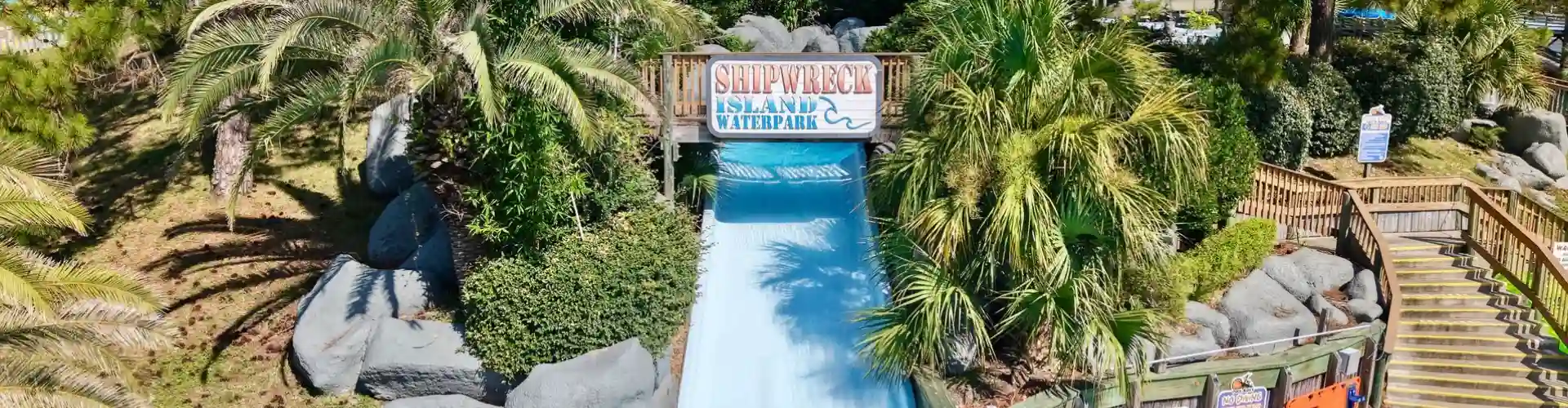
Are PVC Membrane Liners a Good Fit for Water Parks?
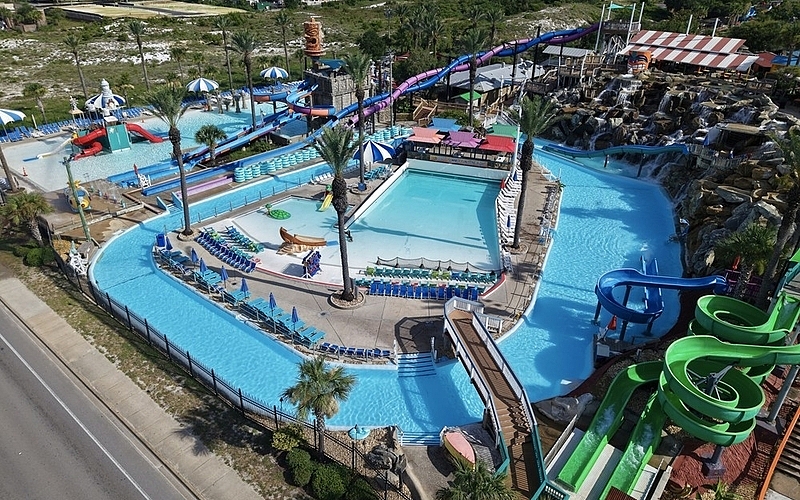
Water park operators deal with something most businesses never touch—constant moisture, chemical exposure, and surfaces that take a beating from thousands of bodies every single day. The liner you choose isn't just about looks. It's about whether your pools stay watertight, your guests stay safe, and your maintenance crew stays sane. PVC membrane liners keep showing up in these environments for a reason, but they're not a slam dunk for every situation.
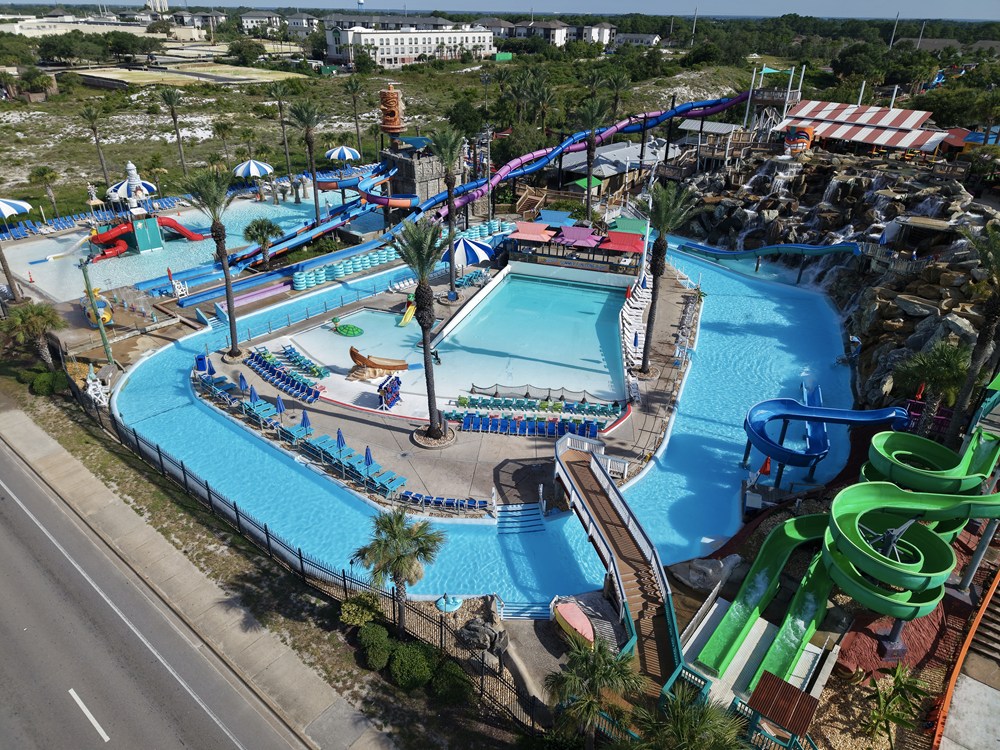
If you're weighing whether to go with PVC, you need more than marketing claims. You need to know where these liners shine, where they fall short, and what happens when installation goes sideways. Because in a water park, downtime isn't just inconvenient—it's revenue walking out the gate.
The Waterproofing Actually Holds
Leaks are expensive. Not just because of wasted water, but because finding the source often means draining an entire feature and tearing into infrastructure. PVC membrane liners cut that risk way down. The material is welded at the seams, creating a continuous barrier that doesn't rely on grout lines or aging sealant. That's a big deal when you're running lazy rivers, splash pads, or kiddie pools with irregular shapes.
Traditional tile jobs look great on day one, but grout deteriorates. Concrete cracks. PVC stays flexible, which means it moves with the structure instead of fighting it. Most commercial-grade liners are reinforced with polyester mesh, so they're not just waterproof—they're tough enough to handle settling, vibration, and thermal expansion without splitting.
Comfort and Traction Make a Difference
Nobody wants to scrape their feet on rough concrete or slip on algae-coated tile. PVC liners solve both problems at once. The surface is smooth enough that kids can slide around without getting hurt, but textured enough to reduce slips when wet. That's not just a comfort upgrade—it's liability protection.
We've seen parks switch from aging tile to PVC and cut their slip-and-fall incidents noticeably. The material doesn't get slimy like porous surfaces do, and it doesn't develop sharp edges or loose pieces over time. Bare feet stay safe, and your insurance adjuster stays off your back.
Design Options Go Beyond Blue
Water parks are branded experiences, not just pools with slides attached. PVC membranes give you flexibility that tile or plaster can't match. Custom colors, patterns, gradients, even printed graphics—all possible. Want a Caribbean-themed wave pool? A jungle-print splash zone? PVC can handle it without driving up costs or complexity.
Here's what you can work with:
- Solid colors in nearly any shade, from classic aqua to bold neon
- Mosaic-look patterns that mimic tile at a fraction of the cost
- Custom graphics or logos embedded directly into the liner
- Gradient fades that transition from shallow to deep zones
- Textured finishes for added grip in high-traffic areas
Installation Speed Keeps You Open
Closing a major attraction for weeks eats into revenue faster than almost anything else. PVC liner installation is quick compared to re-tiling or resurfacing with concrete. A skilled crew can measure, cut, and weld a liner in place without the curing time or multi-step prep that other methods require. That means shorter closures and less lost income.
The process is straightforward but demands precision. The liner gets custom-fabricated to match your exact dimensions, then welded at the seams using hot air or solvent techniques. Done right, it's watertight on day one. Done wrong, you're looking at wrinkles, leaks, or early failure. This is not a DIY project, and it's not the place to lowball on labor.
Maintenance Stays Manageable
PVC liners resist algae, mold, and staining better than porous materials. They're non-reactive with most pool chemicals, so you're not constantly scrubbing or rebalancing to fight buildup. Cleaning is usually just a brush-down and rinse—no acid washing, no sandblasting, no resurfacing every few years.
Here's what makes upkeep easier:
- Non-porous surface doesn't trap contaminants or bacteria
- Smooth finish prevents algae from taking root in cracks or grout lines
- Chemical resistance means fewer reactions with chlorine or bromine
- No need for frequent repainting or resealing like concrete requires
- Minor damage can often be patched onsite without draining the feature
Upfront Costs Hit Harder Than You Expect
PVC membrane liners aren't cheap. The material itself costs more than basic plaster or paint, and professional installation adds to the bill. If you're budgeting like it's a surface-level cosmetic upgrade, you'll be surprised. But if you're thinking long-term—factoring in reduced maintenance, fewer repairs, and extended lifespan—the math shifts.
Most operators see payback within a few years, especially if they were previously spending heavily on tile repair or chemical adjustments. Still, the initial outlay requires planning. If cash flow is tight or you're flipping a distressed property, PVC might not be the move right now.
Installation Quality Determines Everything
A poorly installed liner is worse than no liner at all. Wrinkles create weak spots where water pressure can cause tearing. Incomplete welds lead to leaks. Improper tensioning leaves slack that looks cheap and wears out fast. You need experienced installers who know how to work with the specific membrane you've chosen and the contours of your features.
Here's what separates good installation from bad:
- Precise measurements and custom fabrication before arrival onsite
- Clean, prepped substrate free of debris or sharp protrusions
- Proper welding technique that creates seamless, watertight joints
- Correct tensioning to avoid wrinkles or sagging over time
- Attention to corners, steps, and transitions where stress concentrates
Damage Happens But Repairs Are Possible
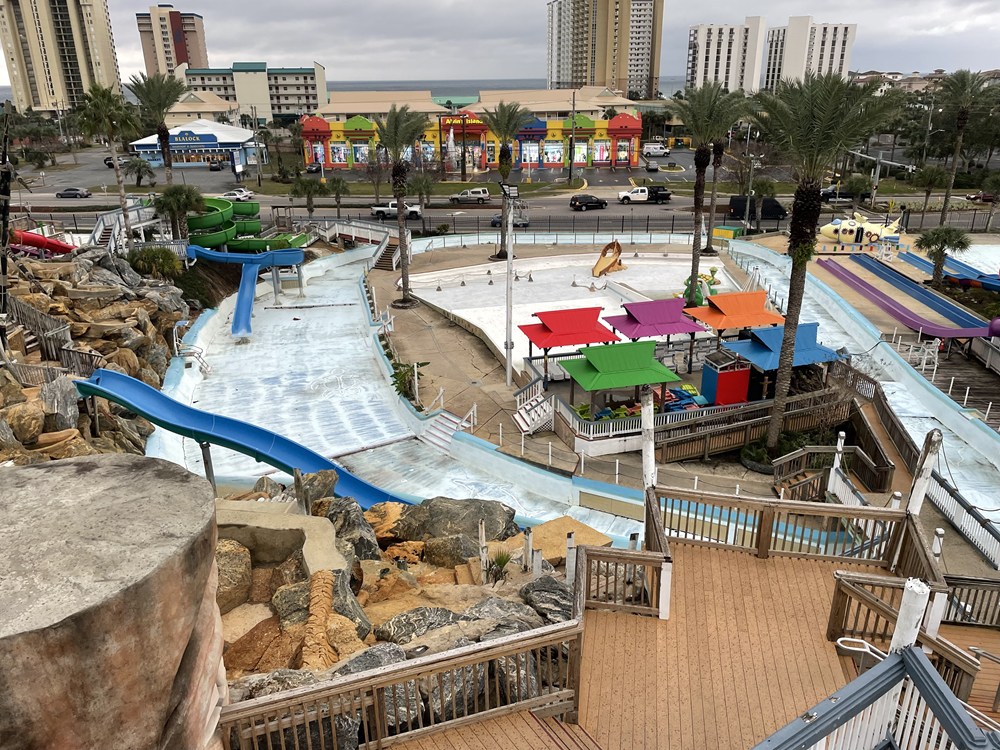
PVC is durable, not invincible. Vandalism, sharp objects, or chemical imbalances can punch holes or cause degradation. The good news is that most damage is repairable. Small punctures can be patched with specialized kits that bond to the liner and restore waterproofing. Larger tears might require a section replacement, but that's still faster and cheaper than re-tiling an entire pool.
The key is catching problems early. Regular inspections help you spot wear before it becomes a crisis. If you're running high-traffic features, build inspection into your seasonal maintenance schedule. Don't wait for a leak to force your hand. Professional repairs can address issues before they escalate into major renovations.
Chemical Balance Still Matters
PVC liners tolerate pool chemicals better than many surfaces, but they're not bulletproof. Improper pH, excessive chlorine, or unbalanced alkalinity can degrade the material over time. You'll still need to monitor water chemistry and adjust as needed. The difference is that PVC gives you more margin for error than plaster or concrete, which can etch or stain quickly.
Here's what to keep stable:
- pH between 7.2 and 7.8 to prevent material breakdown
- Chlorine levels appropriate for the liner manufacturer's specs
- Alkalinity in range to buffer pH swings
- Calcium hardness adjusted to avoid scaling or corrosion
- Regular testing to catch imbalances before they cause damage
Lifespan Depends on How You Treat It
A well-maintained PVC liner can last 10 to 15 years or more in a commercial water park setting. That's longer than most plaster jobs and competitive with high-end tile if you account for grout replacement. But neglect will cut that lifespan in half. Skipping chemical checks, ignoring minor damage, or using abrasive cleaning tools all accelerate wear.
The operators who get the most life out of their liners are the ones who treat maintenance like a schedule, not a reaction. Monthly inspections, seasonal deep cleans, and prompt repairs keep the liner performing. Waiting until something breaks costs more in every direction. You can see examples of successful long-term installations in our completed projects.
Choosing the Right Fit for Your Park
PVC membrane liners work best in water parks that prioritize uptime, safety, and design flexibility. If you're running high-volume features where guests are constantly in contact with surfaces, the comfort and traction advantages matter. If you're rebranding or building themed zones, the customization options are hard to beat. And if your maintenance team is stretched thin, the reduced upkeep is a lifeline.
But they're not the default choice for every situation. Budget constraints, specific chemical regimens, or ultra-high-heat environments might push you toward other materials. The decision should be based on your operational reality, not just what's trendy or what another park did. For additional context on membrane applications, check out how PVC membrane revitalizes lazy rivers in real-world scenarios.
Get the Details Right Before You Commit
PVC membrane liners deliver real benefits, but only when the installation is clean, the material is quality, and the maintenance plan is solid. Cutting corners on any of those fronts turns a smart investment into a headache. Work with installers who know commercial water features, choose membranes rated for your specific use case, and build a maintenance rhythm that keeps problems small. Do that, and PVC can keep your features watertight, safe, and looking sharp for years. If you're considering new installations or exploring retrofit installations for existing features, professional guidance ensures optimal results.
Let’s Make Your Water Park Stand Out
We know how much is riding on every detail of your water park, from guest safety to keeping attractions open and looking their best. If you’re ready to explore how PVC membrane liners can transform your pools and play areas, let’s talk through your options and find the right solution for your needs. Call us at 843-480-3577 or get a quote to start the conversation and see what’s possible for your park.
‹ Back
Recent Posts
-
How Well Do PVC Pool Membranes Hold Up to Daily Use?
September 29, 2026
-
When Should You Repair or Replace a PVC Pool Membrane?
September 15, 2026
-
Is Your Residential Pool Losing Water Around the Edges?
September 1, 2026
-
How Indoor Pools Benefit from PVC Membrane Installations
August 18, 2026
-
Are PVC Membrane Liners a Good Fit for Water Parks?
August 4, 2026

.png)