
PVC Pool Membrane Tips & Info
How Well Do PVC Pool Membranes Hold Up to Daily Use?
Most pool owners think liners are just about waterproofing. Keep the water in, keep the dirt out. But PVC membranes do more than that — and if you don't understand how they respond to real-world stress, you're setting yourself up for headaches. These systems handle chlorine, sunlight, and foot traffic every single day. The question isn't whether they work. It's whether they hold up when your pool sees actual use.
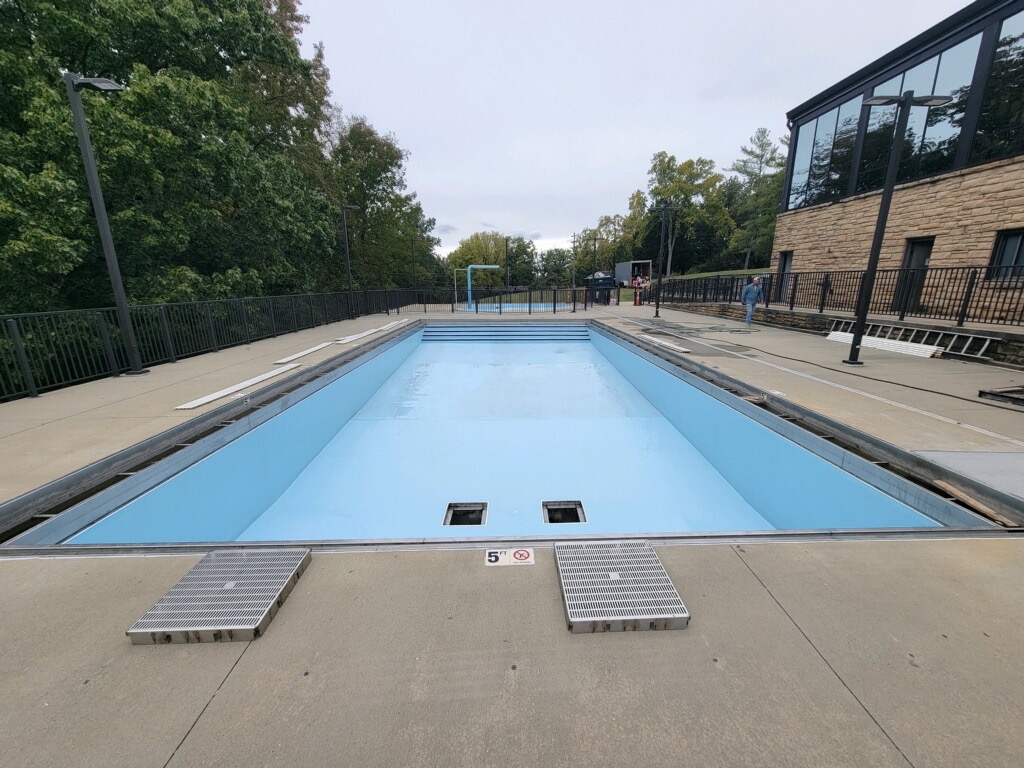
So here's what matters. If you're investing in a membrane to protect your pool structure, that's smart. Just don't assume every PVC product is the same. Thickness varies. Installation quality varies. And every warranty depends on how the material was used — not just how it looked when it went in.
Chemical Exposure Doesn't Stop
Pools live in a constant bath of treatment products. Chlorine, pH adjusters, algaecides — all of it sits on the membrane surface, every hour of every day. PVC handles that better than most alternatives. The material doesn't absorb chemicals, and it doesn't break down the way older vinyl can.
But that resistance only holds if your water chemistry stays balanced. Let your chlorine spike too high or your pH drift too low, and even the toughest membrane starts to lose its integrity. We've seen this happen with neglected pools. The membrane gets brittle. The color fades. And once that degradation starts, it's hard to reverse.
Sunlight Hits Harder Than You Think
UV radiation breaks down plastics. That's not theory — it's chemistry. PVC pool membranes are treated with stabilizers to slow that process, but nothing stops it entirely. Outdoor pools take the worst of it, especially in regions with intense sun exposure.
Here's what UV damage looks like over time:
- Surface becomes less flexible and more prone to cracking
- Color shifts from vibrant to washed out
- Material loses its ability to stretch with temperature changes
- Small stress points turn into larger tears
- Lifespan drops from fifteen years to under ten without proper protection
Physical Wear Shows Up in Predictable Spots
Swimmers don't think about how their feet, pool toys, or cleaning brushes interact with the membrane. But every point of contact creates friction. Over years, that friction adds up. High-traffic areas — steps, ledges, shallow ends — wear faster than the deep sections that see less activity.
Reinforced PVC membranes handle this better than unreinforced versions. The internal fabric layer distributes stress and resists punctures. But no membrane is invincible. Sharp objects, dragged furniture, or aggressive cleaning tools can still cause damage. And once a tear starts, it rarely stays small.
Temperature Swings Test the Material
Pools expand and contract with the seasons. The water heats up, the shell shifts, the membrane stretches. In colder climates, winter freeze-thaw cycles put even more strain on the system. PVC's flexibility helps it absorb these movements without cracking — but only if the installation was done right.
Wrinkles, poor adhesion, or improper tensioning during installation create weak points. When the pool shell moves, those weak points fail first. We've seen membranes rip along seams or pull away from corners because the installer didn't account for thermal movement. That's not a material failure. That's a workmanship failure.
Maintenance Habits Decide Longevity
Want your membrane to last? Show it some respect. You'll need more than an occasional skim and a chemical dump to keep things running.
Here's what consistent maintenance should include:
- Weekly water testing to keep chemistry in the safe zone
- Gentle brushing with soft-bristle tools to prevent algae buildup
- Immediate repair of small punctures or tears before they spread
- Seasonal inspections to catch stress points early
- Proper winterization in climates with freeze risk
Where Most Pool Owners Go Wrong
Skipping the small stuff catches up fast. A delayed patch job turns into a full panel replacement. Ignoring water balance leads to surface breakdown. And using the wrong cleaning equipment can scratch or gouge the membrane in ways that aren't fixable.
We've also seen owners try to install membranes themselves or hire the cheapest contractor they could find. That almost always backfires. Professional installation isn't just about aesthetics — it's about creating a system that can handle stress without failing. When seams aren't heat-welded correctly or the membrane isn't tensioned properly, the lifespan drops dramatically.
Thickness Isn't Just a Number
PVC membranes come in different gauges. Thinner options — around 1.5mm — work fine for residential pools with light to moderate use. But if your pool sees heavy traffic, commercial activity, or aggressive cleaning schedules, you'll want 2mm or thicker. The extra material costs more upfront, but it buys you years of durability.
Don't let anyone tell you thickness doesn't matter. It does. And it's one of the first things that separates a membrane that lasts from one that doesn't.
Repairs Are Possible But Not Always Simple
Small punctures can be patched without draining the pool. Larger tears or seam failures might require more invasive work. The good news? PVC is repairable. The bad news? If the damage is widespread or the membrane has aged past its useful life, you're looking at replacement.
Here's what repair typically involves:
- Cleaning and drying the damaged area
- Applying a PVC patch with heat or adhesive
- Ensuring the repair is watertight and flush with the surface
- Testing the fix before returning the pool to full use
Lifespan Depends on More Than the Product
A high-quality PVC membrane installed by pros and maintained properly can hit fifteen years or more. A cheaper product installed poorly and neglected might not make it to ten. The material matters, but so does everything that happens after it goes in.
We've guided pool owners through these decisions for years. The ones who treat their membranes as long-term investments — not disposable liners — get the best results. The ones who cut corners or ignore maintenance end up spending more in the long run.
Quality Installation Sets the Baseline
Even the toughest membrane won't perform if the installation is sloppy. Wrinkles trap water and create weak spots. Poor seam welds lead to leaks. Improper tensioning causes stress tears. And if the pool shell isn't prepped correctly, the membrane won't adhere the way it should.
This is where experience matters. A qualified installer knows how to account for pool shape, climate, and usage patterns. They know how to handle corners, steps, and fittings without compromising the membrane. And they know how to test their work before you fill the pool.
The Real Test Is Time and Traffic
PVC pool membranes don't fail overnight. They degrade slowly, responding to every chemical imbalance, every UV ray, every footstep. The systems that hold up are the ones that were built right, maintained consistently, and treated with care. The ones that fail early were usually compromised from the start — either through poor material choice or installation errors.
We help pool owners make these calls every day. Not just picking a product, but understanding what it takes to keep it performing. Because a membrane is only as good as the system supporting it — and the habits keeping it clean.
Ready to Protect Your Pool for the Long Haul?
We know how much your pool means to you, and we're here to make sure your PVC membrane stands up to every challenge. If you're ready to invest in durability and peace of mind, let's talk about the right solution for your pool. Call us at 843-480-3577 or get a quote today and see how we can help you enjoy worry-free swimming for years to come.
‹ Back
Recent Posts
-
How Well Do PVC Pool Membranes Hold Up to Daily Use?
September 29, 2026
-
When Should You Repair or Replace a PVC Pool Membrane?
September 15, 2026
-
Is Your Residential Pool Losing Water Around the Edges?
September 1, 2026
-
How Indoor Pools Benefit from PVC Membrane Installations
August 18, 2026
-
Are PVC Membrane Liners a Good Fit for Water Parks?
August 4, 2026

.png)