

PVC Pool Membrane Tips & Info
When Should You Repair or Replace a PVC Pool Membrane?
Most pool owners think a membrane is just there to hold water. It does that — but it's also taking daily punishment from chemicals, UV exposure, and everything your swimmers drag in on their feet. The surface you're standing on may look fine, but underneath? That's where problems hide. Small tears become leaks. Wrinkles trap moisture. And what starts as a patch job can spiral into a full replacement if you're not paying attention.
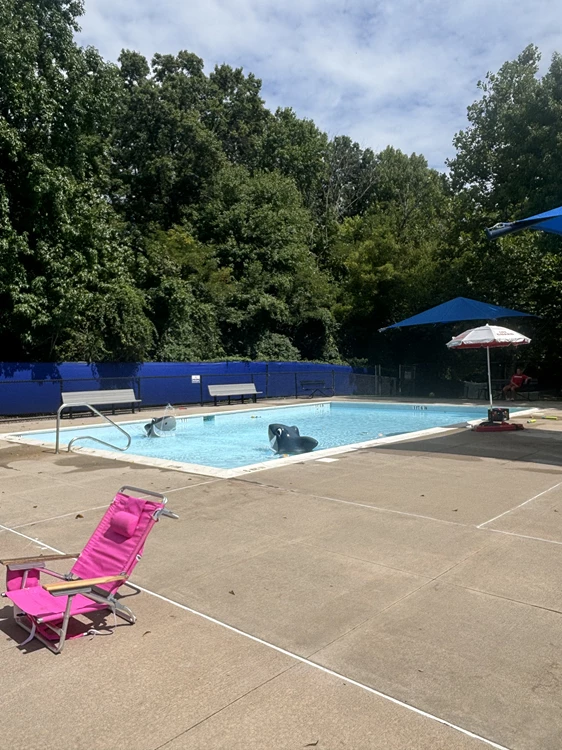
The decision isn't just about fixing what broke. It's about knowing when you're throwing money at a liner that's already past its prime. Every membrane has a clock. And if yours is ticking louder than your filter pump, it's time to figure out whether you're dealing with a quick fix or a full teardown.
What PVC Actually Does for Your Pool
PVC pool membranes are flexible, reinforced barriers designed to keep water where it belongs. They're usually layered with polyester for strength and built to resist algae, staining, and surface wear. That smooth finish isn't just cosmetic — it prevents buildup and makes maintenance easier. The material can flex with temperature shifts and minor settling, which is why it's so common in both residential pools and commercial installs.
But flexibility has limits. Over time, even the best membranes start to lose their give. That's when you see cracking, stiffness, or areas that won't seal properly no matter how many times you patch them. Understanding why a liner is designed to handle helps you spot when it's being asked to do too much.
Red Flags You Shouldn't Ignore
Catching problems early is the difference between a patch kit and a five-figure invoice. Your membrane will tell you when it's struggling — you just have to be looking. Most issues start small but compound fast, especially if water gets behind the liner or chemicals eat through weakened spots.
Here's what we watch for when inspecting a pool:
- Tears or punctures that keep reappearing in the same area
- Wrinkles or bubbles that weren't there last season
- Fading or discoloration that looks uneven or patchy
- Water loss that doesn't match evaporation rates
- Stiff or brittle sections that crack under pressure
- Mold or algae growing where the liner meets the pool wall
When a Patch Will Hold
Not every problem needs a new liner. If the damage is isolated and the rest of the membrane is still in good shape, repair is usually the smarter call. Small punctures, minor wrinkles, and localized discoloration can often be addressed without tearing out the whole system. A professional can assess whether the underlying structure is sound and whether a patch will hold under normal use.
Timing matters here. The sooner you catch a tear or a lifted seam, the less chance it has to spread or allow water infiltration. We've seen plenty of membranes last years longer because someone called in a repair before the problem turned into a project. But if you're patching the same spot twice in one season, that's a sign the material is giving out.
When the Liner Is Done
There's a point where repairs stop making sense. If your membrane is covered in patches, losing flexibility, or leaking in multiple spots, replacement is the only move that sticks. Trying to nurse a failing liner through another season usually ends with emergency work mid-summer and a bill that's worse than if you'd just replaced it in the spring.
Here's when replacement is the right call:
- Multiple tears or punctures across different areas
- Widespread bubbling or lifting that can't be smoothed out
- Brittle or stiff material that cracks when you press on it
- Persistent leaks even after repairs
- Severe fading or staining that cleaning won't touch
- A membrane that's already 10+ years old and showing its age
What Actually Drives the Decision
Age is the biggest factor. Most PVC membranes are good for 8 to 15 years, depending on how hard they're worked and how well they're maintained. If yours is pushing that range and showing damage, replacement is almost always the better long-term investment. Extent of damage matters too — one small hole is fixable, but a liner with problems in three spots is telling you it's time.
Budget plays a role, but don't let short-term savings trap you in a cycle of constant repairs. We've worked with pool owners who spent thousands patching a liner that should've been replaced two years earlier. If you're calling someone out every season, add up what you've spent. That number might surprise you.
How to Make Your Membrane Last
You can't stop a liner from aging, but you can slow it down. Proper water chemistry keeps chemicals from eating through the material. Regular cleaning prevents debris from grinding into the surface. And catching small issues before they spread saves you from expensive fixes down the line.
Here's what extends the life of a PVC membrane:
- Balanced pH and chlorine levels at all times
- Weekly brushing and vacuuming to remove buildup
- Routine inspections for early signs of wear
- Quick action on minor tears or lifted seams
- Professional installation and repairs when it matters
Stop Guessing and Start Checking
Most pool owners wait until something's leaking before they take a close look at their liner. By then, the damage is done. A membrane doesn't fail overnight — it shows you the signs first. Wrinkles, discoloration, stiffness, persistent leaks. All of those are your cue to bring in someone who knows what they're looking at.
Whether you're patching or replacing, the decision should be based on the condition of the material and how much life it has left. Don't let a worn-out liner drag your pool season down. Address it now, and you'll have a surface that actually holds up when it counts.
Let’s Keep Your Pool Worry-Free
We know how important it is to have a pool that’s ready for every swim, without the stress of leaks or worn-out liners. If you’re unsure whether your PVC membrane needs a repair or a full replacement, let’s take the guesswork out of it together. Give us a call at 843-480-3577 or get a quote today, and we’ll help you get back to enjoying your pool with confidence.
‹ Back
Recent Posts
-
When Should You Repair or Replace a PVC Pool Membrane?
September 15, 2026
-
Is Your Residential Pool Losing Water Around the Edges?
September 1, 2026
-
How Indoor Pools Benefit from PVC Membrane Installations
August 18, 2026
-
Are PVC Membrane Liners a Good Fit for Water Parks?
August 4, 2026
-
Pool Renovation Projects Using PVC Membrane Systems
July 21, 2026

.png)