
PVC Pool Membrane Tips & Info
Can a PVC Pool Membrane Help With Pool Cracks
Most pool owners assume cracks mean one thing: expensive repairs. Jackhammers. Weeks of downtime. A backyard that looks like a construction zone. But there's another option that doesn't involve tearing your pool apart. PVC pool membranes have been quietly solving crack problems for years, and most homeowners don't even know they exist. If your pool shell is cracked, leaking, or just plain tired, this might be the fix you didn't see coming.
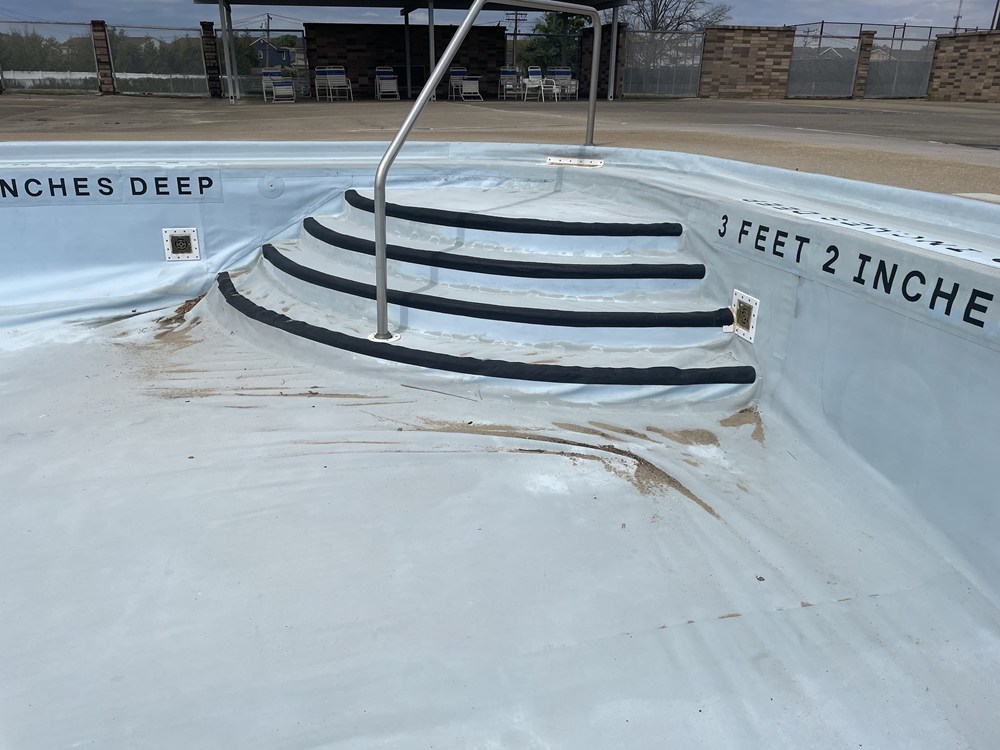
Cracks don't discriminate. They show up in concrete pools, gunite builds, even older vinyl setups that never got proper support. Some are hairline fractures you barely notice. Others run deep enough to drain thousands of gallons and leave you wondering if the whole thing needs to be rebuilt. The problem isn't always the crack itself—it's what happens when water starts escaping. Soil shifts. Foundations settle. What started as a cosmetic flaw becomes a structural nightmare.
What This Membrane Actually Does
A PVC pool membrane isn't a Band-Aid. It's a full-coverage solution that sits between you and the damaged shell. Think of it as a second skin—reinforced, waterproof, and built to handle movement without splitting. The material itself is thick, usually around 60 to 80 mils, with a polyester mesh core that keeps it from stretching or tearing under pressure.
Here's why that matters when you're dealing with cracks:
- The membrane covers every inch of the pool interior, sealing off cracks before water can find them
- It flexes with minor shifts in the pool structure instead of cracking alongside it
- You stop losing water through the shell, which means your pump isn't working overtime to maintain levels
- Chemical balance stays more consistent because you're not constantly adding fresh water to compensate for leaks
- The pool looks brand new without resurfacing, replastering, or rebuilding anything
Why Traditional Fixes Keep Failing
Patching cracks sounds simple. Grind it out, fill it in, resurface if needed. But patches only address the symptom. If the ground beneath your pool is still settling, or if freeze-thaw cycles keep expanding and contracting the shell, those cracks will come back. Sometimes in the same spot. Sometimes somewhere new.
Resurfacing buys you time, but it's not a permanent answer either. The new plaster or pebble finish might look great for a few years, but if the underlying concrete keeps moving, you're right back where you started. A PVC membrane doesn't stop the pool from moving—it just stops the movement from mattering. The membrane absorbs those shifts instead of cracking under them.
How Installation Actually Works
This isn't a DIY weekend project. Installing a PVC membrane requires draining the pool, prepping the surface, and heat-welding seams on-site to create a watertight shell. The process starts with cleaning—every bit of algae, scale, and debris has to go. Sharp edges get smoothed down. Then a felt underlay goes in to cushion the membrane and protect it from any rough spots underneath.
The membrane itself is custom-cut to fit your pool's exact shape, including stairs, benches, and attached spas. Installers weld the seams using hot air tools, creating bonds that are stronger than the material itself. When it's done right, there are no weak points. No seams that might peel or separate. Just one continuous barrier between your water and the cracked shell beneath.
Durability That Actually Lasts
We're not talking about a vinyl liner that needs replacing every seven years. A quality PVC membrane can run 15 years or more, and many come with warranties to back that up. The material resists UV damage, chemical exposure, and algae growth better than traditional finishes. It doesn't fade as fast. It doesn't stain as easily. And it holds up under freeze-thaw cycles that would destroy plaster.
Here's what you're actually getting in terms of longevity:
- Membranes that stay flexible even in cold climates, reducing the risk of new cracks forming
- Surfaces that don't require acid washing or aggressive cleaning to maintain appearance
- Color options that stay vibrant without needing touch-ups or repaints
- A waterproof barrier that doesn't degrade when your pool chemistry drifts out of range
When the Membrane Isn't Enough
If your pool has major structural problems—like a collapsing wall or a shell that's actively separating from the ground—a membrane won't fix that. It's not designed to hold up a failing structure. You need to address those issues first, or you're just covering up a bigger problem.
Same goes for pools with ongoing ground movement. If your property sits on expanding clay or a slope that hasn't been properly stabilized, the membrane might buy you time, but it won't stop the underlying cause. In those cases, you're looking at soil work, drainage improvements, or structural reinforcement before any cosmetic solution makes sense.
Cost Versus Rebuilding
A PVC membrane isn't cheap, but it's a fraction of what you'd spend tearing out and replacing a cracked pool. Most installs run between $5,000 and $15,000, depending on size and complexity. Compare that to a full renovation, which can easily hit $30,000 to $50,000 or more. And you're not dealing with months of construction. Most membrane jobs wrap in a few days.
The real savings show up over time. You stop bleeding water. You cut down on chemical use because your levels stay stable. You avoid the cycle of patching, resurfacing, and patching again. For pools that are fundamentally sound but cosmetically wrecked, it's one of the smartest moves you can make.
What to Look for in an Installer
Not every pool contractor knows how to install a PVC membrane properly. This is a specialized skill, and bad installation kills the entire benefit. You need someone who's certified, experienced, and willing to show you past work. Ask to see completed projects. Talk to previous clients. Make sure they're using quality materials with real manufacturer backing.
Here's what separates the pros from the amateurs:
- They measure twice and cut once—custom fitting matters more than you'd think
- They prep the surface properly instead of rushing to lay the membrane
- They use heat-welding equipment that creates permanent seams, not glue that might fail
- They stand behind their work with warranties that actually mean something
- They explain the process clearly and don't oversell what the membrane can and can't do
Maintenance After Installation
Once the membrane is in, you're not off the hook completely. You still need to maintain your water chemistry, clean the pool regularly, and avoid anything that could puncture the surface. But compared to managing a cracked plaster pool, it's easy mode. No more worrying about stains seeping into porous concrete. No more losing water overnight and trying to figure out where it's going.
Most owners find they spend less time on upkeep because the surface doesn't hold dirt or algae the way rougher finishes do. Brushing is easier. Vacuuming is faster. And because the membrane doesn't absorb chemicals, you're not constantly adjusting your levels to compensate.
Stop Patching, Start Sealing
Cracks don't fix themselves. Neither do the leaks, stains, and structural headaches that come with them. A PVC pool membrane won't solve every problem, but for pools with damaged shells and frustrated owners, it's one of the few solutions that actually delivers. For residential pools or those looking at retrofitting older pools, you get a watertight barrier, a refreshed look, and years of reliable performance without demolishing what you've already built. That's not a gimmick—it's just smart pool ownership.
Ready to Make Pool Cracks a Thing of the Past?
We know how stressful it can be to deal with pool cracks and constant repairs. Let’s put an end to the cycle and bring your pool back to life with a PVC membrane that lasts. If you’re ready for a solution that actually works, give us a call at 843-480-3577 or get a quote today. Let’s get your pool looking and performing its best for years to come.
‹ Back
Recent Posts
-
Can a PVC Pool Membrane Help With Pool Cracks
October 27, 2026
-
Why PVC Pool Membranes Work Well for ICF Pools
October 13, 2026
-
How Well Do PVC Pool Membranes Hold Up to Daily Use?
September 29, 2026
-
When Should You Repair or Replace a PVC Pool Membrane?
September 15, 2026
-
Is Your Residential Pool Losing Water Around the Edges?
September 1, 2026