

PVC Pool Membrane Tips & Info
When Should a Commercial Pool Membrane Be Replaced?
Most facility managers treat pool membranes like they're indestructible. Install once, forget forever. But the reality is harsher — and if you're not watching for the signs, you're setting yourself up for catastrophic failure. Membranes don't announce their retirement. They crack, leak, and fail quietly until the damage spreads beyond what you can patch. By then, you're not just replacing a liner — you're rebuilding a structure.
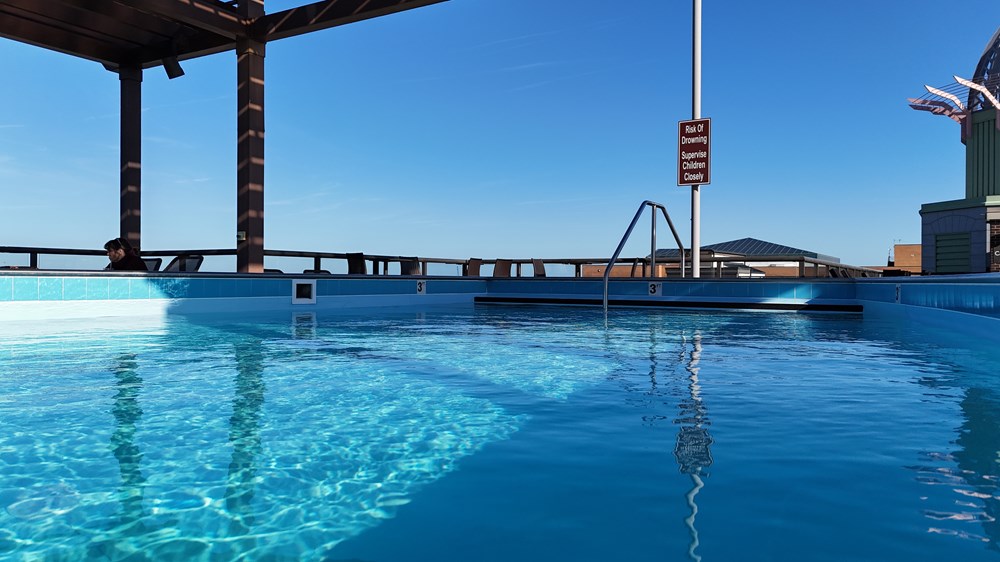
Here's what matters. If you're running a commercial pool, that membrane is your first line of defense against water infiltration, chemical corrosion, and structural collapse. Every day it holds, it's doing its job. But the moment it starts showing weakness, the clock starts ticking. You can either act early and control the cost, or wait until the repair bill includes excavation and concrete work. There's no middle ground.
The Membrane Does More Than Hold Water
A commercial pool membrane isn't decorative. It's a waterproof barrier that keeps gallons of chemically treated water from seeping into your pool shell, foundation, and surrounding property. Most are made from reinforced PVC or synthetic compounds engineered to withstand constant immersion, UV bombardment, and chlorine exposure. When it's functioning, you don't think about it. When it's not, everything else starts falling apart.
This layer also delivers the surface finish that guests interact with daily. A smooth, intact membrane makes cleaning easier, reduces algae growth, and maintains the aesthetic appeal that keeps your facility competitive. Lose that integrity, and you're dealing with complaints, safety concerns, and operational headaches that multiply fast.
Damage Doesn't Always Announce Itself
Some membrane failures are obvious. Others hide in plain sight until the consequences force your hand. Catching deterioration early separates smart operators from those who end up shutting down mid-season for emergency repairs.
Watch for these warning signs:
- Tears and punctures: Physical breaks in the membrane compromise waterproofing immediately. Small rips grow under pressure, and once water gets behind the liner, adhesion fails.
- Unexplained water loss: If you're constantly topping off the pool and evaporation doesn't explain it, you've got a leak. That water is going somewhere — usually into your structure.
- Discoloration and fading: UV damage and chemical exposure bleach out membranes over time. Aesthetic decline often signals material breakdown beneath the surface.
- Bubbling or wrinkling: When the membrane lifts or wrinkles, it's losing adhesion. Water collects in those pockets, accelerating deterioration and creating tripping hazards.
- Frequent patch jobs: If you're repairing the same membrane repeatedly, you're throwing money at a failing system. Replacement becomes the smarter financial move.
Age Alone Is a Factor
Even the best commercial membranes have finite lifespans. Most hold up between eight and fifteen years depending on material quality, chemical balance, and maintenance rigor. Understanding how long PVC pool membrane liners last should be on your radar regardless of visible damage.
Older membranes lose elasticity and chemical resistance. They become brittle, prone to cracking, and less effective at sealing out water. Waiting for catastrophic failure just guarantees higher costs and longer downtime when you're finally forced to act.
Ignoring the Problem Costs More Later
Delaying membrane replacement isn't a cost-saving strategy. It's a gamble with your facility's structural integrity. Water that escapes through a compromised membrane erodes the pool shell, destabilizes the foundation, and creates conditions for mold growth. You'll see increased water and chemical bills as leaks worsen, and if the damage reaches the concrete, you're looking at excavation, resurfacing, and extended closures.
Commercial pools generate revenue. Every day you're shut down for emergency repairs is income lost and guests redirected to competitors. Proactive replacement during scheduled maintenance windows keeps you in control of timing and budget. Reactive replacement happens on the problem's schedule, not yours.
Replacement Timing Separates the Prepared from the Panicked
Smart facility managers don't wait for disaster. They schedule membrane replacement based on inspection data, age, and usage patterns. Off-season installation minimizes disruption, and planning ahead allows you to source quality materials and vetted contractors without rushing.
Here's what a solid replacement plan includes:
- Regular professional inspections: Annual assessments catch early deterioration before it becomes critical. Documentation helps you track wear patterns and predict replacement windows accurately.
- Material selection that matches your use case: When choosing between traditional liners and PVC membrane systems, commercial pools demand heavy-duty membranes with UV resistance, chemical stability, and reinforced construction. Cheap materials fail faster.
- Experienced installation teams: Membrane performance depends on proper installation. Work with contractors who specialize in PVC pool liner installation for hotels and carry verifiable references.
- Off-peak scheduling: Replace membranes during low-usage months to avoid peak revenue loss and guest inconvenience.
- Water chemistry maintenance: Balanced pH and sanitizer levels extend membrane life significantly. Corrosive conditions accelerate breakdown regardless of material quality.
Documentation Protects Your Investment
When you replace a commercial pool membrane, document everything. Keep installation records, material specifications, warranty information, and maintenance logs organized and accessible. If issues arise later — whether warranty claims, insurance questions, or compliance audits — you'll need proof of proper installation and upkeep.
Photographic evidence before, during, and after replacement provides additional protection. Inspectors, insurers, and future maintenance teams benefit from clear records showing what was done, when, and by whom.
Prevention Beats Emergency Response Every Time
The best time to replace a commercial pool membrane is before it fails catastrophically. Monitor condition aggressively, schedule replacements proactively, and choose materials built to withstand your facility's specific demands. Utilizing PVC membrane repair solutions for minor issues while planning for eventual retrofit installations protects your structure, maintains guest satisfaction, and keeps operations running smoothly without surprise shutdowns or budget-busting emergency repairs. Reactive management costs more in every measurable way.
Let’s Safeguard Your Pool’s Future
Staying ahead of membrane issues means fewer headaches and more uptime for your facility. We’re here to help you plan smart, avoid costly surprises, and keep your pool running at its best. If you’re seeing warning signs or just want peace of mind, let’s talk about your options. Call us at 843-480-3577 or get a quote today and take the next step toward a worry-free pool season.
‹ Back
Recent Posts
-
When Should a Commercial Pool Membrane Be Replaced?
November 10, 2026
-
Can a PVC Pool Membrane Help With Pool Cracks
October 27, 2026
-
Why PVC Pool Membranes Work Well for ICF Pools
October 13, 2026
-
How Well Do PVC Pool Membranes Hold Up to Daily Use?
September 29, 2026
-
When Should You Repair or Replace a PVC Pool Membrane?
September 15, 2026