
PVC Pool Membrane Tips & Info
Can You Install a PVC Pool Membrane Over an Existing Surface?
Most pool owners see renovation and assume they're in for a full teardown. Jackhammers. Weeks of downtime. A budget that balloons before the first shovel hits dirt. But PVC membranes flip that script. In most cases, you can install one right over what's already there — no gutting required. Just don't assume every surface is a fit. If the foundation's shot or the prep work gets skipped, that membrane won't last. And when it fails, you're not just out the install cost. You're back to square one with a bigger mess than you started with.
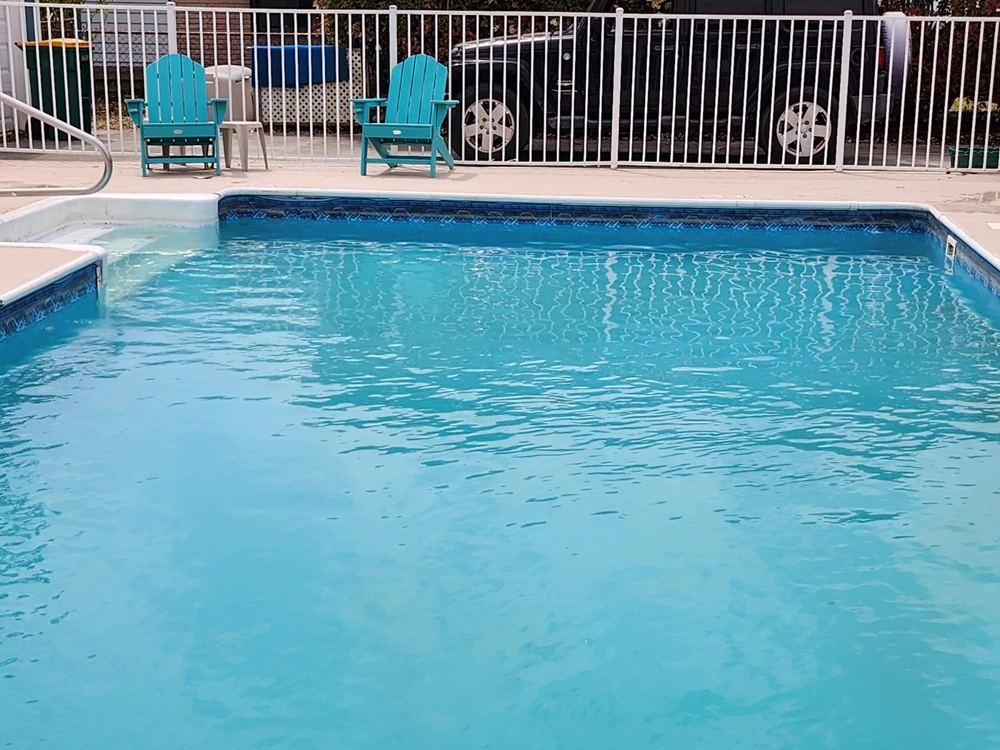
So here's what matters. If you're looking at a membrane install, the condition of your existing surface is everything. Every crack needs attention. Every tile needs to be locked down. And every decision should be grounded in whether that surface can actually hold up — not just whether it looks okay from the deck.
What a PVC Membrane Actually Does
PVC pool membranes aren't your typical liner. They're manufactured as large, flexible sheets built from reinforced polyvinyl chloride, then custom-fit and heat-welded on-site. The result is a seamless, waterproof barrier that covers the entire interior of your pool. Unlike plaster or paint, which degrade over time, a properly installed membrane resists chemicals, UV exposure, and algae growth without constant upkeep.
These membranes aren't one-size-fits-all either. You can choose from a range of colors, textures, and patterns to match your aesthetic. Some mimic the look of traditional tiles. Others go for a sleek, modern finish. But the real value isn't cosmetic — it's in the durability and the waterproof layer that keeps your pool from leaking and your maintenance schedule from spiraling. Many pool owners explore why a liner makes sense for their renovation needs.
Why Covering an Existing Surface Makes Sense
Ripping out an old pool finish is expensive. Messy. Time-consuming. If your existing surface is still structurally sound, covering it with a membrane can save you weeks of work and a chunk of your budget. You're not just patching up visible damage — you're adding a new layer of protection that can extend the life of the entire pool.
Here's where that advantage shows up:
- Faster turnaround compared to demolition and resurfacing
- Lower labor and material costs when the base is still solid
- Added waterproofing that seals minor imperfections in the substrate
- Reduced maintenance since the membrane surface resists algae and staining
- Flexibility to install over concrete, plaster, tile, fiberglass, or even some older liners
Not Every Surface Is Ready
Just because you can install a membrane over an existing surface doesn't mean every pool qualifies. If the base is crumbling, cracked beyond repair, or structurally unsound, a membrane won't fix it. You'll just be wrapping a failing surface in a pretty cover — and that membrane will fail right along with it.
The surface type matters too. Concrete and plaster are ideal candidates, as long as they're stable and relatively smooth. Tiles work if they're firmly attached and the grout lines are filled. Painted surfaces need to be free of peeling or flaking, or the membrane won't adhere properly. Fiberglass pools are fine, but any cracks or blisters have to be repaired first. If you're dealing with an old vinyl liner, it usually needs to come out before the membrane goes in.
Prep Work Decides Everything
You can't skip the prep. A membrane is only as good as the surface underneath it. If that surface is dirty, uneven, or damaged, the membrane will telegraph every imperfection — or worse, puncture and leak. We've seen installs that looked clean at first, then failed within a year because corners were cut during prep.
Here's what proper preparation includes:
- Thorough inspection to identify cracks, leaks, or structural weak points
- Deep cleaning to remove dirt, algae, oils, and any loose material
- Repair of cracks, holes, or damaged areas with appropriate patching materials
- Smoothing of uneven spots, including filling grout lines and grinding down rough patches
- Installation of a geotextile or felt underlayment to cushion the membrane and protect it from abrasion
Installation Isn't a DIY Project
You might be handy. You might have renovated half your house. But installing a PVC pool membrane is a different animal. The sheets need to be custom-cut to fit your pool's exact dimensions, then heat-welded at the seams to create a watertight seal. One bad weld, one miscalculation, and you've got a leak that's harder to fix than the original problem.
Professional installers bring more than equipment. They know how to spot issues in the substrate that an untrained eye will miss. They understand how to handle the membrane material so it doesn't stretch, wrinkle, or develop stress points. And they have the experience to deliver a finish that actually lasts. Whether you need new installations or retrofit installations, cutting costs on the install is a gamble most pool owners regret.
When the Surface Can't Handle It
Some pools just aren't candidates. If your existing surface is heavily damaged — think major cracks, widespread spalling, or areas where the substrate is crumbling — a membrane won't save it. You'll need to address those structural issues first, which might mean resurfacing or even rebuilding sections of the pool.
Same goes for pools with active leaks. A membrane can seal minor imperfections, but if water is already migrating behind the surface, that issue needs to be fixed before any membrane goes down. Professional repairs should address those problems first. Otherwise, you're just covering up a problem that will get worse.
Choosing the Right Material and Pattern
Not all PVC membranes are created equal. Thickness matters — thicker membranes are more durable and resist punctures better, but they're also more expensive. Reinforcement matters too. Some membranes include a polyester mesh layer for added strength, which is critical if your pool gets heavy use or if the substrate is less than perfect.
Pattern and color are more than cosmetic. Light colors make the water look brighter and can help with heat retention. Dark colors give the pool a more dramatic, lagoon-like appearance but can also absorb more heat. Some membranes mimic the look of tile or stone, giving you the aesthetic without the maintenance headaches.
What It Costs and What You Get
Installing a PVC membrane over an existing surface is almost always cheaper than a full pool resurface. Exact costs vary based on pool size, surface condition, and the membrane you choose, but you're typically looking at a fraction of what you'd pay for demolition and new plaster or tile.
Here's what drives the price:
- Size and shape of the pool — larger and more complex pools take more material and labor
- Condition of the existing surface — more prep work means higher labor costs
- Membrane thickness and reinforcement — premium materials cost more upfront but last longer
- Additional features like steps, benches, or waterline tiles that need custom fitting
- Geographic location and contractor availability — prices vary by region and demand
Maintenance After the Install
One of the biggest selling points of a PVC membrane is how little maintenance it requires. The smooth, non-porous surface doesn't give algae much to cling to, so your chemical usage drops. Stains wipe off easily. And because the seams are heat-welded, there are no grout lines or crevices for dirt to hide in.
That said, you're not off the hook entirely. You'll still need to balance your water chemistry to prevent premature wear. Avoid using abrasive cleaning tools or harsh chemicals that can damage the membrane. And keep an eye out for any punctures or tears — rare, but they happen, especially in high-traffic areas or near sharp pool features.
Timing and Downtime
A membrane install is fast compared to traditional resurfacing. Most jobs wrap up in a few days to a week, depending on pool size and prep complexity. That's a lot shorter than the weeks you'd lose with a full resurface. But you'll still need to drain the pool, which means planning around weather and scheduling the work during a period when you're not using it.
Draining a pool isn't risk-free either. If the groundwater table is high or the soil is unstable, an empty pool can pop out of the ground or develop cracks. A good contractor will assess those risks and take precautions — another reason to skip the DIY route.
Covering Old Mistakes with New Solutions
A membrane install isn't just for aging pools. It's also a smart fix for pools with finishes that never worked right in the first place. Maybe the plaster was poorly mixed and cracked within a year. Maybe the tiles are constantly falling off. Maybe the paint job didn't hold up to your water chemistry. Retrofitting older pools with PVC membrane liners can cover those mistakes and give you a fresh start without tearing everything out.
But again, only if the underlying structure is solid. You can't membrane your way out of a failing shell. If the pool itself is compromised, fix that first. Otherwise, you're just kicking the problem down the road — and making it more expensive when it finally catches up.
Making the Call
Installing a PVC membrane over an existing surface works when the foundation is sound, the prep is thorough, and the install is done right. It's faster, cleaner, and usually cheaper than a full teardown. But it's not a magic fix. If you skip the inspection, rush the prep, or try to save money with a bargain installer, you'll pay for it later — in leaks, wrinkles, or a membrane that doesn't last half as long as it should. Do it right, and you've got a pool that looks great and stays that way with minimal effort. Whether you're managing residential pools or commercial properties, cut corners, and you'll be back to square one before you know it.
Ready to Transform Your Pool?
Let's make your pool the highlight of your backyard again—without the stress, mess, or endless downtime. We know what it takes to get the job done right, from the first inspection to the final weld. If you're ready to talk options or want a professional opinion on your pool's surface, give us a call at 843-480-3577 or get a quote today. Let's bring your pool back to life together.
‹ Back
Recent Posts
-
Can You Install a PVC Pool Membrane Over an Existing Surface?
November 24, 2026
-
When Should a Commercial Pool Membrane Be Replaced?
November 10, 2026
-
Can a PVC Pool Membrane Help With Pool Cracks
October 27, 2026
-
Why PVC Pool Membranes Work Well for ICF Pools
October 13, 2026
-
How Well Do PVC Pool Membranes Hold Up to Daily Use?
September 29, 2026